
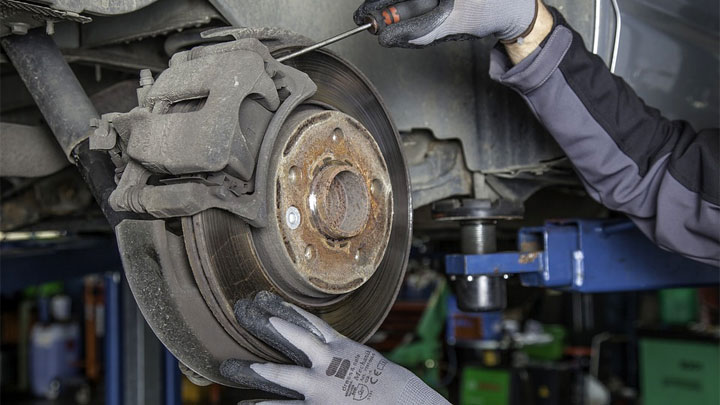
Small things make us very worried about our own being and that is the nature of humans. They worry, you hear a bang and you are worried, you hear a knock at the door and worried but some things need to be worried over.
Like the grinding noise of the car, the sound that the car makes after the break, the scraping sound of the car is very important as it has some hidden meaning which needs to be understood. In this article, we will discuss the bad rotor sound and what they imply.
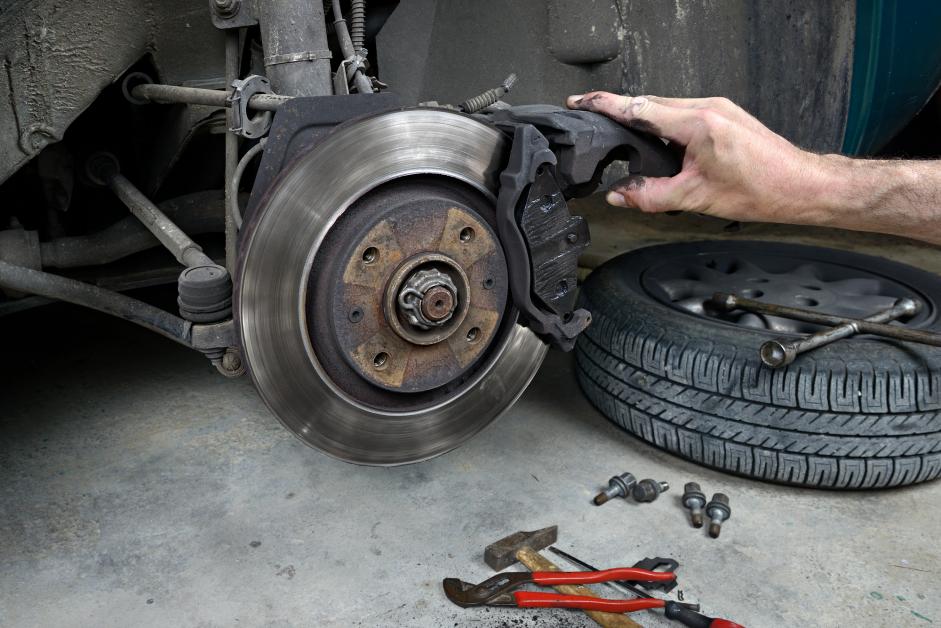
What could be the reason behind the braking noises?
There are many sounds that the brakes make after you put them in use. So we will discuss the sounds they make and what actually causes them.
- Grinding: This sound is usually heard when the brake of the car is totally worn out and is counting its own days. At this time you have to be more careful about the brake.
- Thumping from the rear side: If you hear the voice of thump coming down from the rear side then you have to understand that there is something wrong with your rear drums which are hard to cure.
- Squeaking sounds: If you hear the squeaking sound coming from the brake whenever you use it, then it means that the brakes that have been applied in the car are of low quality or it has gotten old and lost the power of mechanization.
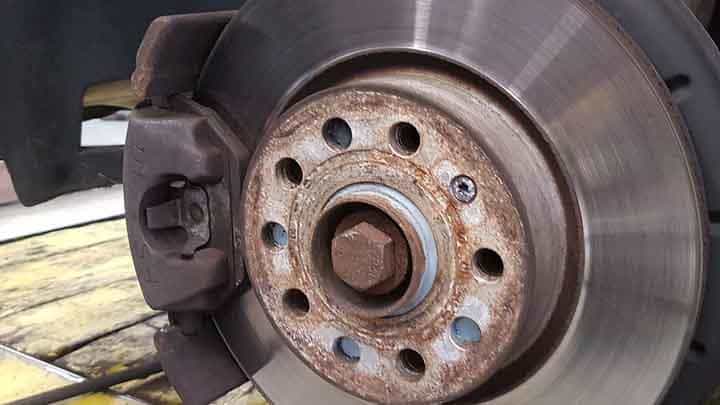
- Squealing: If you hear the squealing of the car even after you have parked the car into the garage or a parking spot, then it means there is something wrong with your rotors. High chances are that the rotors have rusted.
- Scraping: If you hear the sound of scraping all the time when you use the brakes then it means that you may have picked up pieces of small rocks that are not good for the car.
Which parts cause the brakes to make noise when stopping?
Above, we have discussed the type of noise that your car makes and what are the implications of it. Here are some of the aspects that could cause your car to make noises. Though you may think that it is nothing and even think of letting it go but don’t.
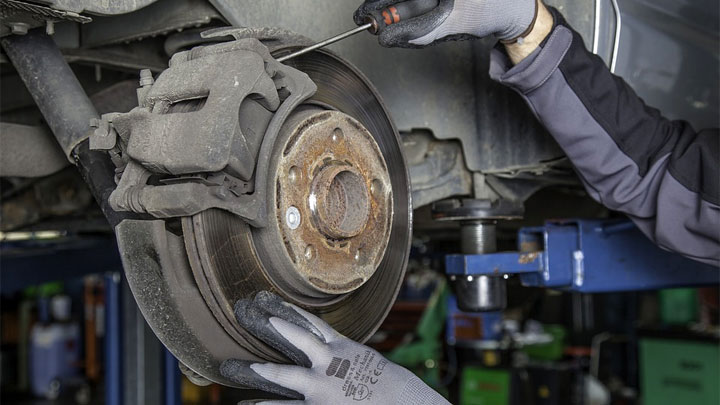
- Worn out brake pads:
Brake pads are a very important part of our car as it is the very part that makes the car stop. So it is very essential, however, if one keeps using it, again and again, could make the brake worn out. So if you hear your brakes making grinding noise while driving then it is the pads that are done for. It could damage the whole of the performance and even the convenience of your own car.
The sound of the grinding is very irritating and could get to one’s head so you might have to get that checked. You might have to replace the brake pads in that case. But if you hear grinding noise when braking but pads are fine then it means that the pads are in contact with the rotors which are equally dangerous and can cause the sound of grinding whenever you are driving the car.
If that is the case then you have to exchange the rotor and replace it with a new one. It could happen that the backing plate has destroyed the rotors which are causing the grinding. If the rotor is not changed then it will further compromise the caliper. So to stop the whole system from collapsing, change them accordingly.
- Cheap brakes quality:
So when you drive a car that has been there for many generations, if not for years, then it is sure to have some parts of it replaced. We all know how expensive the parts are but good quality brakes are important if you have ever replaced it with the low quality or cheap material of brakes then you just have to change it into something that is good.
The brakes that are made out of cheap materials provide really bad performance to the car. It doesn’t really give a standard performance. Many times the brakes that are of bad quality may get some bad chunks of metal which might make the issue even worse.
It could cause a problem when it comes to rotors and causes severe harm. So the right kind of brake will not only have you from harm but will also keep your car from harm’s way too. Some of the brakes that are of good quality are Wagner, EBC, Powerstop, and AC Delco, etc.
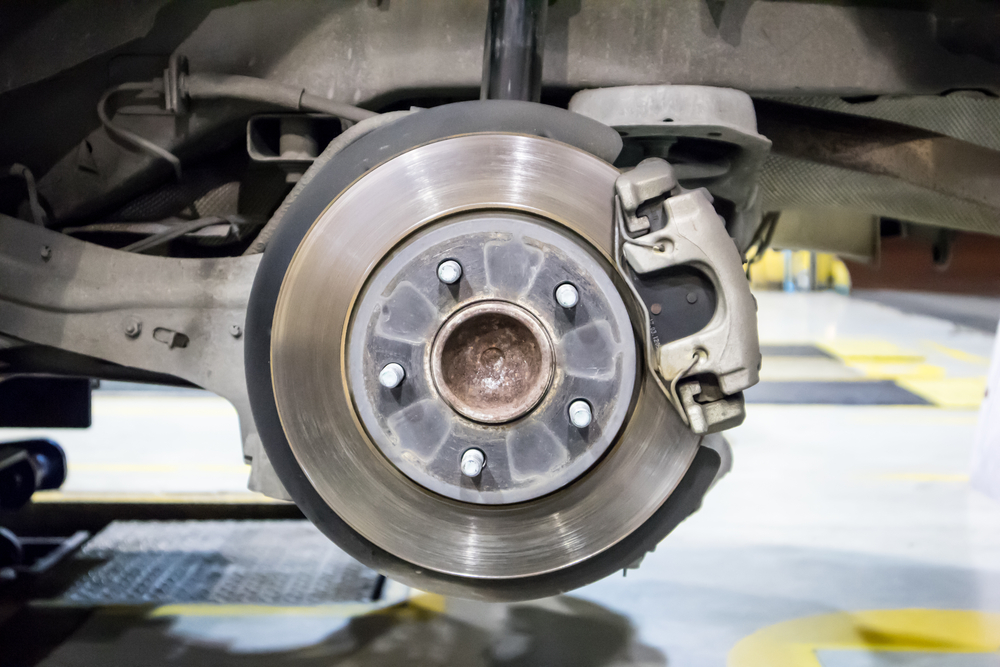
- Worn out shims:
With the broken or worn out pads, you may have to replace the worn-out shims too. The shims get very impractical and harm the working of the brakes too. It creates an impact on the brakes as it makes it difficult for the brakes from working. Many tend to avoid the replacing of the shins so you might have to tell them to replace it.
If the parts are not replaced along with the brakes then the shims will get worn out creating a huge problem for you. It will create a sound whenever you will try to make the car run. So you might have to just change it altogether when it comes to that.
The sound is generated when the worn-out shims make a concurrent attachment from other metals that might just make you irritated so changing it is the right option. You will not only prevent the sound from occurring over and over again but will also prevent the accident.
- Debris stuck in the car:
Many times as it happens when you are driving your car on a rocky road, you might just pick up some bad pieces of rocks or if you have some worn out part in your car that needs replacing but is not replaced which would cause the grinding of the machinery and result in a coarse sound.
The piece of rock which is just a piece of gravel may get stuck in between the caliper. If the debris is stuck between the caliper and the portion of the rotor then it might make scraping noise while driving stops when braking. But it will not only be only the noise of the scraping but the origination vibration. Even if you don’t make any pressure on the rotors and the caliper, it will continue to make sounds.
If you continue to make pressure on the rotors knowing that it will make sound and create stress on it. If a certain amount of pressure is created on it then it will misalign the braking pads which could cause an accident. If you see this happening again and again then you might have to get it replaced.
- Because of not driving it more:
A car can be driven a lot but the functionality of the braking system could only go up to 70,000 miles but if you see this happening sooner than later then know it is because you’re not driving the car more. It is making the caller stick to your rotors and brakes which is causing it to cease and create a sound that is rather irritating.
It may be a reason behind your braking parts such as rotors and calipers getting all rusted down. If the parts get rusted down easily without being used more, then it would make the parts not function properly. So how to make this problem go away? You simply have to drive the car to resolve the problem of this rust
- Worn out braking rotors:
If you have a braking rotor that is all worn out and has not been replaced then it will create not only sound when driving but will also create a vibration of sorts whenever you are driving the car. Though the sound and the vibration will not always be the same it will make the sound of scraping from time to time. So what do you have to do? It can be resurrected if it can differ upon the rotors but if it doesn’t then simply you have to refer to a new rotor.
- By not lubricating the braking parts:
Oiling the parts is very important to the car too. It is the food of the machinery. You have to lubricate the parts using the rotor oil or lubrication which will help you a lot. If this particular easy step is not done then the metal present in the pads and the metal that is used to make the caliper piston will close again and again to make it more coarse.
It will not create fiction but may create something else. This particular fiction will cause backing plate noise which will make your car work not in a good way. Even the pins that are present in the caliper should be lubricated.
- Lubrication of the bolts:
The bolts that are present in the caliper should be lubricated too. It is very easy. If you keep it lubricated then it will not require replacement. So the lubrication of the bolts is very important and has to be maintained every day. For this, you can easily watch the DIY and can do it at home. The bolts are important so make sure that they are lubricated.
- The bearings of faulty wheels:
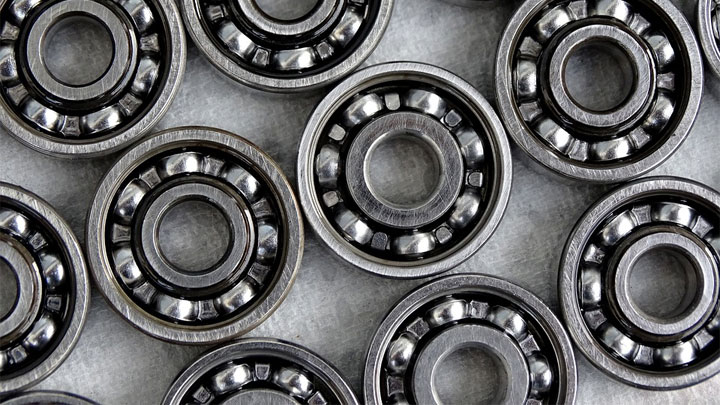
The wheels may bear the brunt of the bad wheel parts. It could cause the grinding noise too. Not only the noise but would generate the vibration too. So if you see that happening, again and again, you might have to get it checked by a mechanic and get it replaced.
How to make the sounds of brakes grinding go away?
The problem lies in the tract of the car and the structure of the brakes. The brake consists of many important parts such as rotors, callers, caliber pins and bolts, and braking pads. We have already decided what are the factors that influence the car from making grinding noises and scraping noises. The parts of the car have mainly to do with the generation of the sound and the vibration but it is not the apparent reason though.
So how to make it go away is the question. Those parts which can be lubricated should be lubricated thoroughly. Parts such as calliper bolts and pins and callers, can be thoroughly lubricated and should be lubricated nonetheless.
If there is a problem regarding the braking pads and rotors, you have to repair it by replacing the whole set. Not the cheap one but the expensive and good one that will last you longer.
Read More : Tire Pressure Sensor Fault
How to stop the sound from ever occurring?
Well the solution of the problem lies in how many times you service your cars.
- You have to lubricate your car first.
- You have to have the cars serviced for at least once a month to make sure that the parts are alright.
- If the parts are not right then have it replaced.
| Should You Be Worried Over The Grinding Of The Brakes? Read To Know | Discussion |
| What could be the reason behind the braking noises? | The parts could be the main reasons. |
| Which parts cause the brakes to make noise when stopping? | It could be breaking pads, faulty wheels, rotors, etc. To know more, read the article. |
| How to make the sounds of brakes grinding go away? | You have to lubricate the rotors and have the car serviced thoroughly. |
| How to stop the sound from ever occurring? | Make sure that you keep the car serviced. |
Conclusion: These few tricks and tips may not only stop your brakes grinding at low speed but will also stop making noises and the generation of vibration. Now that you know what causes them, you know how to handle them too. It is easy and thoughtful and will save you from a big accident. Read this article to know what the mean and how to deal with it.
1 thought on “Worried Over The Grinding Of The Brakes?”